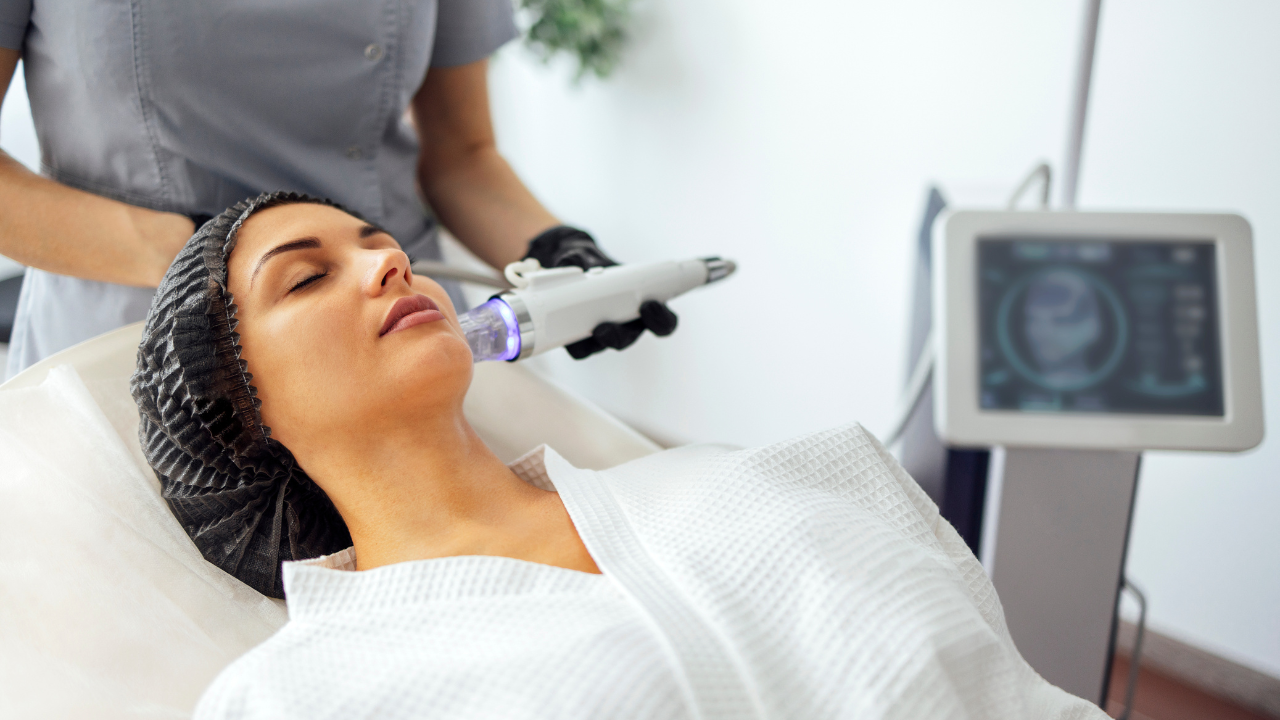
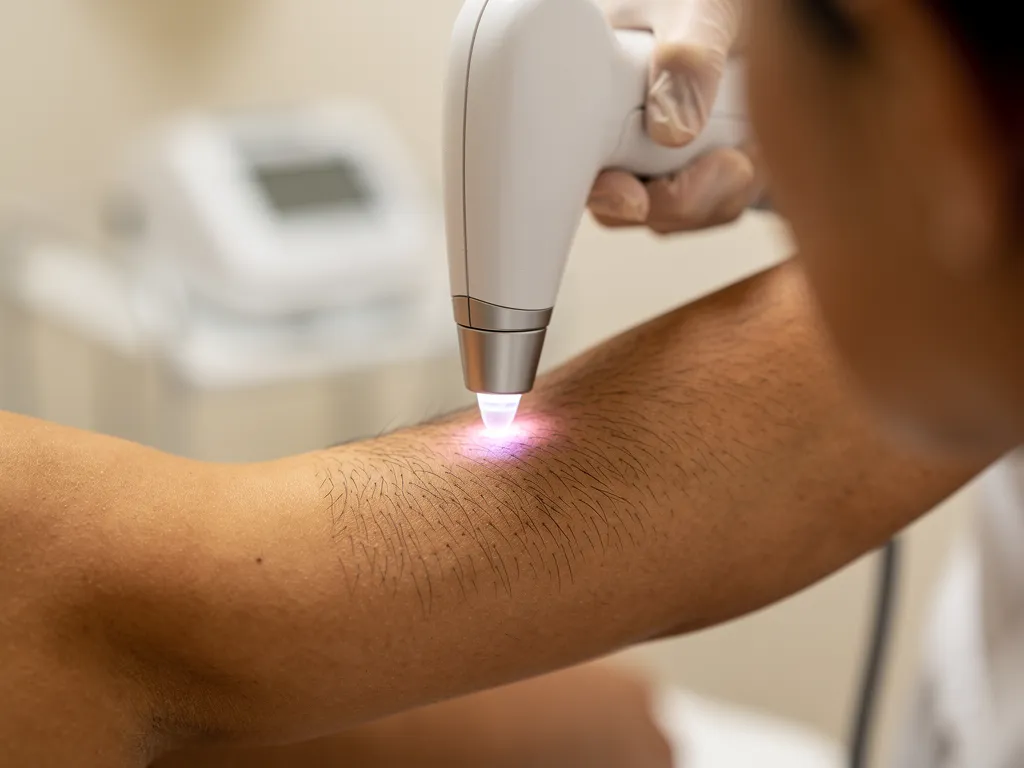
If you have sun spots, uneven pigmentation, redness, or visible signs of sun damage, you may have wondered: Is IPL photofacial right for my skin?
IPL (Intense Pulsed Light) is a non-invasive light-based treatment commonly used to improve certain types of pigmentation and redness. But IPL isn’t the best choice for every skin concern or every skin tone.
At Purple Basil Medspa in Frisco, TX, we evaluate your skin, concerns, recent sun exposure, medications, and treatment goals before recommending IPL. Here’s what you should know if you’re considering an IPL photofacial.
What Skin Concerns Can IPL Photofacial Treat?
IPL is commonly used for concerns related to excess pigment and visible redness. Depending on your skin and the cause of the discoloration, treatment may help improve the appearance of:
- Sun spots and sun damage
- Brown spots
- Freckles
- Uneven pigmentation
- Facial redness
- Visible small blood vessels
- Uneven skin tone
One of the reasons clients like IPL is that several color-related concerns can sometimes be addressed during the same treatment plan.
However, not every dark spot or area of redness should automatically be treated with IPL. Identifying what is causing the discoloration is an important part of deciding whether you’re a good candidate.
Is IPL Good for Sun Damage and Brown Spots?
For appropriate candidates, IPL can be an effective option for visible sun damage and certain superficial brown spots.
The light energy is absorbed by pigment in the targeted area. Following treatment, some pigmented spots may temporarily become darker before gradually flaking or fading as the skin goes through its natural renewal process.
This temporary darkening can be a normal part of the IPL response and doesn’t necessarily mean the pigmentation is getting worse.
Can IPL Help With Facial Redness?
IPL may also be recommended for certain types of facial redness and visible superficial vessels.
Because IPL can target both pigment and vascular concerns, it’s particularly useful for some clients who have a combination of brown discoloration and redness.
Persistent redness can have several causes, though, so an evaluation is important before determining whether IPL is the appropriate treatment.
Is IPL Safe for Every Skin Tone?
No. IPL is not appropriate for every skin tone or every client.
Melanin absorbs light energy, which means treating skin with higher melanin levels requires additional consideration. Using IPL on an inappropriate skin type or on recently tanned skin can increase the risk of unwanted pigment changes or other complications.
At Purple Basil Medspa, we assess your skin using the Fitzpatrick skin type scale along with your individual history before recommending light-based treatments.
If IPL isn’t the safest or most effective choice for your skin, we can discuss other treatment options better suited to your concerns.
Can I Get IPL If I Have a Tan?
You generally should not undergo IPL on recently tanned or sun-exposed skin.
A tan increases the amount of melanin present in the skin. Because IPL energy interacts with pigment, recent tanning can increase the risk of an unwanted reaction.
We recommend avoiding tanning and significant sun exposure before treatment and following the pre-treatment instructions provided by your practitioner.
This includes tanning from the sun as well as artificial tanning methods.
Can I Get IPL If I Have Melasma?
This is an important question because not all pigmentation behaves the same way.
Melasma requires careful evaluation. Heat and light can sometimes aggravate melasma, so IPL may not be the treatment we recommend when melasma is the underlying cause of pigmentation.
If you aren’t sure whether the brown areas you’re seeing are sun damage, freckles, post-inflammatory pigmentation, or melasma, that’s another reason to have your skin evaluated before choosing a treatment.
Do Medications or Skincare Products Affect IPL Candidacy?
They can.
Certain medications and topical products may increase photosensitivity or make your skin more reactive. That’s why we ask about your current medications, medical history, and skincare routine before IPL treatment.
You may also be instructed to temporarily discontinue certain active skincare ingredients before your appointment.
Don’t stop a prescription medication unless the prescribing healthcare professional instructs you to do so. Instead, tell us what you’re taking so we can determine whether treatment needs to be postponed or medically reviewed.
Does IPL Hurt?
Most clients describe IPL as brief pulses of heat or a snapping sensation against the skin.
Comfort varies depending on the treatment area, individual sensitivity, and settings being used. Treatments are generally relatively quick, and your provider will explain what you can expect before beginning.
How Much Downtime Is There After an IPL Photofacial?
IPL typically has relatively little downtime, but your skin may not look completely unchanged immediately afterward.
Depending on what we’re treating, you may experience:
- Temporary redness or warmth
- Mild sensitivity
- Temporary darkening of brown spots
- Gradual flaking of treated pigmentation
You should avoid picking or aggressively exfoliating areas that darken after treatment. Let the treated pigment shed naturally.
Sun protection is especially important following IPL.
How Many IPL Treatments Will I Need?
There isn’t one number that applies to everyone.
The number of treatments depends on factors such as the type and severity of your pigmentation or redness, your skin’s response, and your overall goals.
Some clients notice improvement after an individual treatment, while others benefit from a series of sessions.
During your consultation, we’ll recommend a treatment plan based on your skin rather than automatically placing every client on the same protocol.
How Do I Know Whether IPL or Another Treatment Is Better?
Start with the concern you’re trying to correct.
If your primary concern is brown spots, sun damage, or certain types of redness, IPL may be worth considering.
If your main concerns are acne scars, enlarged pores, uneven texture, fine lines, or skin laxity, IPL may not be the best treatment for those concerns. Depending on your skin and goals, we may instead recommend SkinPen microneedling, Venus Viva RF microneedling, DiamondPolar skin tightening, or a professional chemical peel.
Sometimes a treatment plan involves more than one modality because pigmentation, texture, laxity, and wrinkles are different concerns.
The goal shouldn’t be to choose the most popular treatment. It should be to choose the treatment that best matches what you’re actually trying to improve.
Where Can I Get an IPL Photofacial in Frisco, TX?
If you’re considering an IPL photofacial in Frisco, the first step is determining whether IPL is appropriate for your skin type and the concern you want to treat.
At Purple Basil Medspa, we use the Venus Versa™ IPL system and evaluate each client’s skin before recommending treatment.
Rather than assuming IPL is right for everyone with pigmentation or redness, we’ll help determine whether IPL—or another treatment available at Purple Basil—is the better option for your skin.
Schedule a consultation with Purple Basil Medspa in Frisco, TX to find out which treatment best fits your skin concerns and goals.